Stillness Meditation Therapy (SMT®)

How can Stillness Meditation Therapy help me?
Anxiety, stress, depression and illness touch everyone at some point – from work and family pressures, loss, grief, lack of direction and more. SMT offers relief from the many psychosomatic symptoms and distressing reactions that may limit one’s life.
When SMT is learned correctly and practiced regularly it brings an outcome of inner calm that flows into general life, retraining default and unconscious reactions, resulting in a calmer response to living.
Less stress, less tension, less anxiety and more serenity and calm control lead to a more fulfilling and rewarding life.
With symptoms relieved, one can experience a renewed sense of wellbeing and zest for life that perhaps was never been experienced before. Additional benefits may include a stronger immune system and increased wellness, higher productivity and creativity, a sense of life direction and general personal and spiritual development.
Our studies involving 100 clients presenting with anxiety symptoms reveal a 54% reduction in symptoms and similarly increased wellbeing. All had completed 12-16 facilitated sessions and maintained regular home practice.
What is Stillness Meditation Therapy (SMT)
Stillness Meditation Therapy (SMT) is the authentic meditation originated by Dr Ainslie Meares to enable his patients to primarily relieve anxiety and pain. Ultimately, Meares initiated the use of meditation for wider health benefits. For example, it was he who courageously proceeded to apply his style of meditation to the purpose of arresting the progress of cancer growth – a trigger for today’s explorations in that health arena.
In short, SMT is an effortless experience where people learn to practice the return to a natural, atavistic state of being.
Stillness Meditation is not traditional meditation
Traditional, classical meditation is fragrant with cultural influence and the philosophical, religious and anthropological thinking of its people within time and environment. Traditional meditation places its purpose upon personal, spiritual growth and wellbeing with the aim of expanded consciousness, illumination and God-realization. It is from these aspirations that traditional meditation leads to outcomes of happiness, inner peace and wellbeing.
Stillness Meditation, Meares’ style, is of modern medical origin and created to deal with health issues. It is non-sectarian; it has no affinity with dogma and it is unrelated to traditional, classical meditation concepts and ideals. Extract from Living Calm in a Busy World – Pauline McKinnon

What makes SMT different?
Stillness Meditation Therapy does not involve technique; it requires only effortlessness. In traditional meditation various techniques are employed to form the process. By contrast, SMT is based in physiology and requires simply rest – without effort – without trying to achieve anything.
So, in SMT there is no use of music, or chanting and no need for visualisation or breathing techniques. There is no focussing or observing or being mindful in any way. SMT is an experience of complete rest – body, mind and spirit – to a point of “atavistic regression”. This is significant as it leads to a complete absence of disturbance and a point where the mind does not register discomfort, emotion or reactivity of any kind. SMT is the unique practice of a more biologically primitive mental state where the body’s own powers of healing can be activated. It is this natural, clinical approach within SMT that sets it apart from other types of meditation.
Facilitated sessions with a qualified teacher bring in the added benefit of calming therapeutic touch, another unique element to the theory and experience of SMT. The meditative experience intensifies as the calming touch of the teacher communicates to the client a sense of safety and surrender which enables a deeper experience of successful mental rest.
About Ainslie Meares
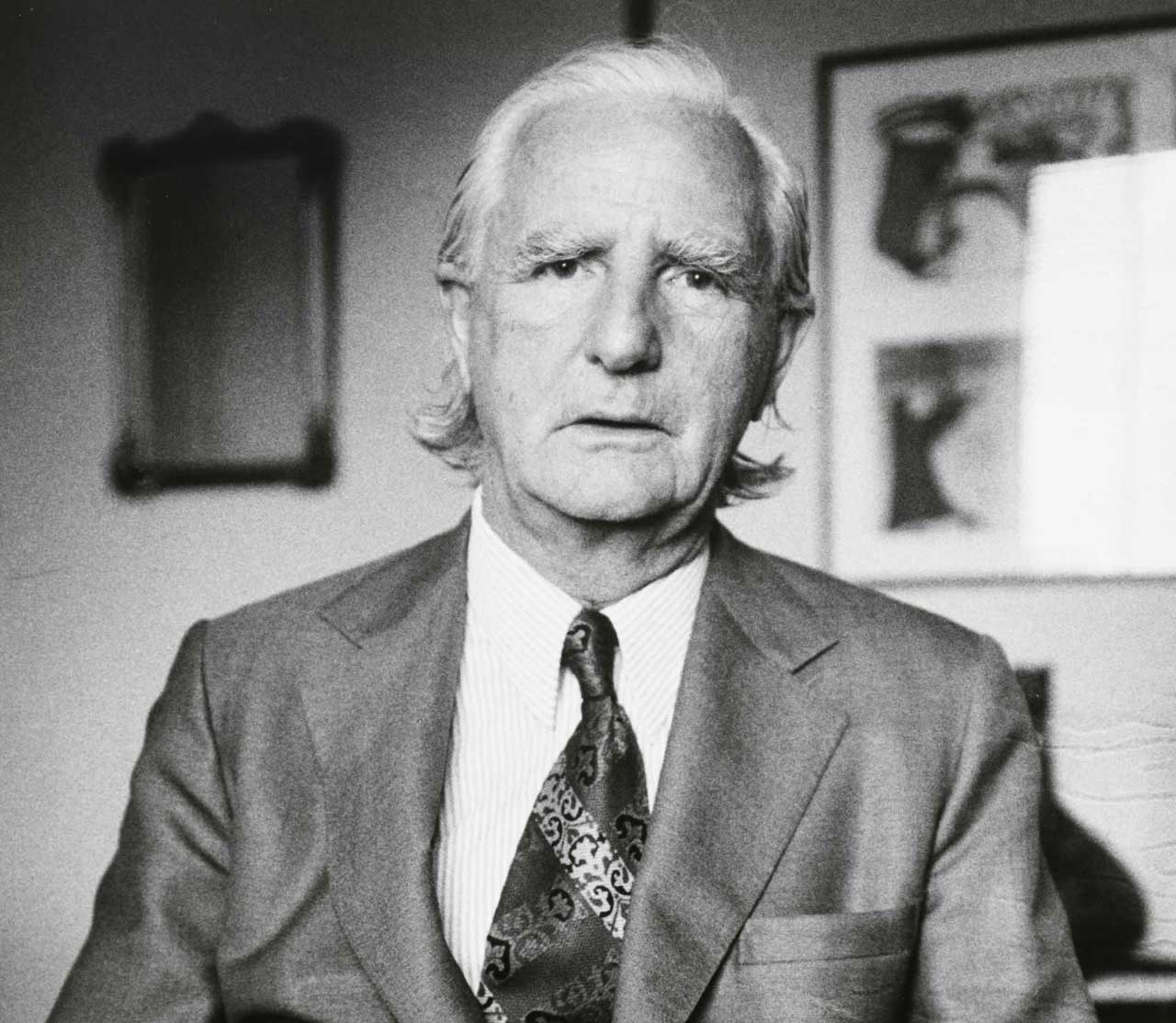
Dr Ainslie Meares BAgS, MD, BS, DPM. (1910-1986) – is recognised as the ‘father’ of therapeutic meditation. His theory and method known today as Stillness Meditation Therapy, is the precursor to our current understanding of Mind Body Medicine.
Although he receives little recognition for his work in the wide world of medicine, modern health care is in fact highly indebted to his wisdom, experience and ingenuity.
Meares was a man far ahead of his time – a pioneer in the cause of helping people to a higher quality of life.
Long before anxiety and stress were acknowledged as contributing to illness Dr Meares had identified that connection. Long before mind-body medicine for the modern world was scientifically acclaimed as it is now, it was he who had emphasised the importance of that. And long before meditation was advocated as a potential source of healing, Dr Meares had established his unique concept of Stillness Meditation, offering a solution to counteract emotional and physical distress.